

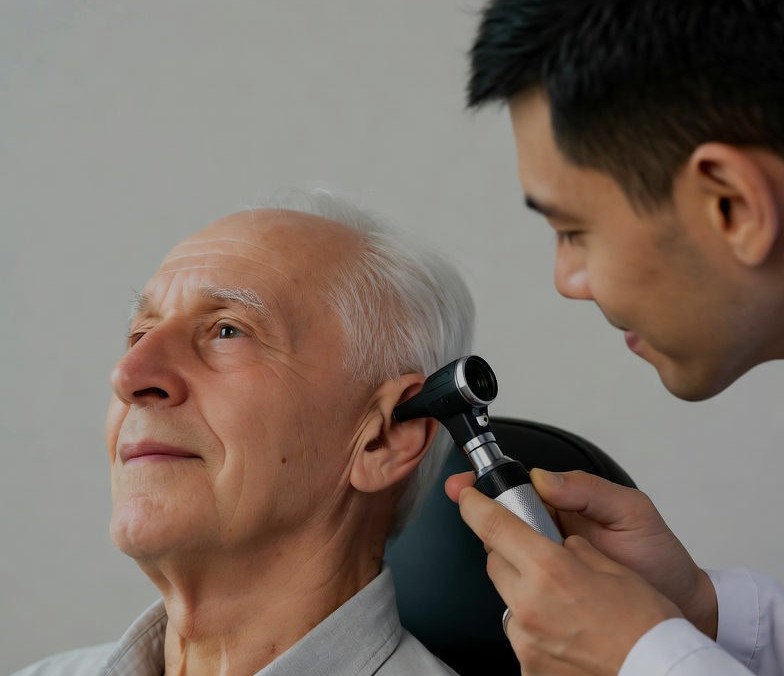
Untreated hearing loss is a growing concern among New Jersey seniors, with new research revealing that its impact reaches far beyond communication challenges. Seniors who ignore or delay treatment for hearing loss face an elevated risk of social isolation, depression, falls, and even cognitive decline, including a higher risk for dementia. When the brain must work overtime to process sounds, it diverts attention and energy from other mental processes, further increasing vulnerability to memory loss and confusion.
Despite these risks, hearing loss remains widely undertreated. Barriers include high costs—hearing aids can run from $1,000 to $4,000 per ear—limited insurance coverage, and a lack of awareness about available resources. Fortunately, New Jersey offers several programs to help seniors overcome these obstacles.
The Hearing Aid Assistance to the Aged & Disabled (HAAAD) program provides up to $500 reimbursement for one hearing aid or $1,000 for two, with eligibility based on age, disability status, and income (under $53,446 for singles, $60,690 for married couples). Applicants must also participate in the PAAD or Lifeline programs, which support prescription and utility expenses. Seniors can call 1-800-792-9745 for help applying, or complete the NJSave application for verification if not already enrolled.
Another resource, the New Jersey Hearing Aid Project, offers free refurbished hearing aids to eligible low-income seniors, managed through the Division of the Deaf and Hard of Hearing and Montclair State University. Seniors can contact the DDHH by phone (609-588-2648) or visit their website for application forms and more information.
Medicare also covers cochlear implants for qualifying seniors who have severe hearing loss and limited benefit from hearing aids.
With these programs, New Jersey seniors have more support than ever to address untreated hearing loss and reclaim their health, safety, and social connections. Taking advantage of available resources is an important step toward a better quality of life and protecting cognitive health.